
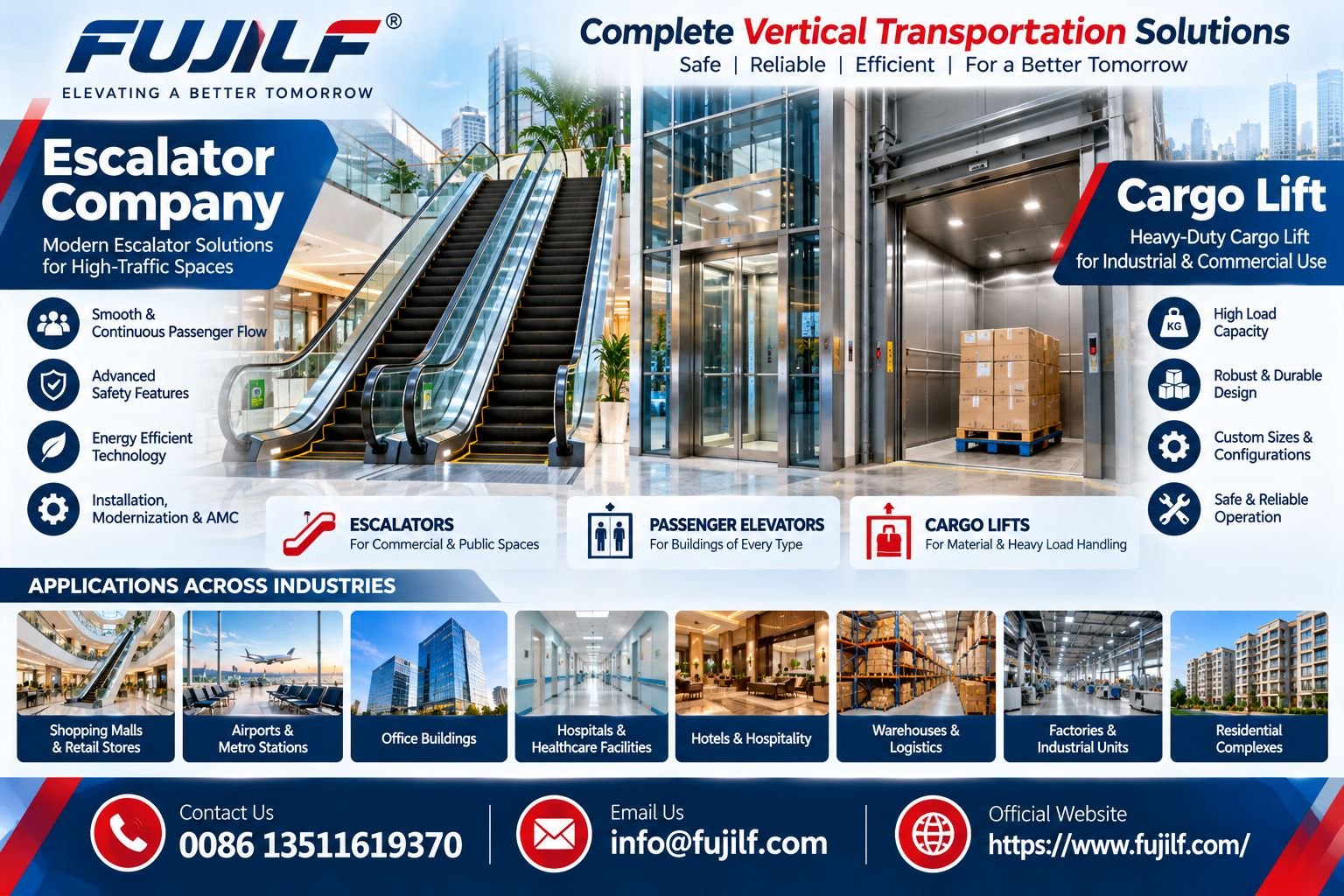
Coastal buildings face environmental conditions that can influence the durability and performance of mechanical equipment. Salt-laden air, high humidity, wind-driven rain, and occasional water intrusion can create maintenance challenges for exposed infrastructure.
For developers of waterfront shopping complexes, ferry terminals, hotels, and commercial properties, vertical transportation requires careful engineering.
An experienced escalator company can help property owners evaluate equipment specifications, environmental protection, and installation arrangements suited to the building’s conditions.
Meanwhile, a properly designed cargo lift supports the movement of approved goods, maintenance supplies, and commercial materials between building levels.
These systems have different functions, but both require appropriate protection against environmental deterioration.
The growing focus on resilient infrastructure highlights the importance of selecting transportation equipment according to actual installation conditions rather than relying exclusively on standard product descriptions.
Why Coastal Environments Affect Escalator Performance
Escalators contain mechanical, electrical, and structural components that require protection against unsuitable environmental exposure.
In coastal locations, airborne salt particles and moisture can contribute to corrosion when equipment materials and protective treatments are inappropriate.
Exposed electrical components may also experience problems if water enters areas that are not designed for wet conditions.
A qualified escalator company should assess installation conditions before recommending equipment.
Important considerations include:
- Corrosion resistance: Selecting suitable materials and approved protective coatings.
- Moisture protection: Evaluating enclosures and electrical equipment protection.
- Drainage arrangements: Preventing water accumulation around equipment where required.
- Structural compatibility: Checking supporting elements and installation requirements.
- Maintenance accessibility: Allowing qualified technicians to inspect components safely.
These considerations are particularly relevant for escalators installed near open entrances, waterfront promenades, or partially exposed commercial spaces.
Cargo Lift Equipment Supports Waterfront Commercial Operations
Waterfront developments often include restaurants, retail outlets, storage facilities, and service areas spread across different levels.
A cargo lift can provide a practical solution for transporting approved materials between loading zones and designated operational floors.
For example, a coastal hotel may require goods transportation between storage facilities and service departments.
Similarly, a waterfront commercial complex may use appropriately specified lifting equipment to move packaged supplies and maintenance materials.
However, equipment suitability depends on load capacity, operating conditions, structural requirements, and applicable safety regulations.
A practical infrastructure principle explains:
For coastal properties, this means evaluating environmental exposure alongside normal goods-handling requirements.
Corrosion Protection Requires Appropriate Material Selection
Corrosion can affect equipment durability when metal components are exposed to unsuitable environmental conditions.
Salt deposits and moisture may accelerate deterioration of certain unprotected materials.
Transportation equipment suppliers should therefore provide suitable information about component materials and protective treatments.
Possible engineering considerations include corrosion-resistant finishes, properly specified fasteners, protected electrical connections, and suitable equipment enclosures.
However, no material should be assumed completely resistant to all coastal conditions.
The effectiveness of corrosion protection depends on exposure severity, component design, installation quality, and maintenance.
Building owners should request relevant technical documentation rather than relying on general claims about weather resistance.
Water Intrusion Planning Protects Building Operations
Coastal properties may experience heavy rainfall, drainage problems, or flooding.
Water entering escalator machinery spaces or lift-related electrical areas can create serious equipment hazards.
Building engineers should assess flood exposure, drainage systems, and the location of sensitive components.
Where appropriate, equipment layouts may require protective measures consistent with approved engineering designs.
A cargo lift installed in a flood-exposed service area should be evaluated for its environmental limitations.
Similarly, escalators should not be operated when water exposure creates unsafe conditions.
A useful safety observation states:
After suspected flood damage, equipment should remain unavailable until qualified personnel complete appropriate assessments and authorize its return to service.
Choosing Between Indoor and Outdoor Equipment Configurations
Not every escalator or goods lift is suitable for outdoor installation.
Equipment intended for protected indoor environments may lack the features necessary for exposed locations.
Developers should communicate environmental conditions clearly when evaluating suppliers.
An escalator company may need to consider rain exposure, ambient temperature, humidity, salt contamination, and surrounding building design.
For cargo lifting systems, electrical protection, loading access, and enclosure arrangements may require additional attention.
Equipment classification and technical specifications must match the intended application.
Installing ordinary indoor equipment in an exposed environment without appropriate engineering approval can create avoidable operational problems.
Maintenance Strategies for Coastal Transportation Equipment
Professional maintenance is important for equipment operating in challenging environments.
Coastal installations may require particular attention to visible corrosion, moisture accumulation, protective coatings, and electrical enclosures.
Maintenance personnel should follow manufacturer recommendations and applicable regulations.
Relevant activities may include:
- Visual inspection: Identifying corrosion, damaged finishes, or signs of moisture intrusion.
- Component assessment: Checking relevant mechanical and electrical equipment.
- Protective treatment review: Evaluating the condition of approved coatings and seals.
- Drainage inspection: Confirming that applicable drainage arrangements remain functional.
- Service documentation: Recording findings and authorized corrective actions.
Maintenance intervals should reflect manufacturer guidance, operating conditions, and relevant regulatory obligations.
Why Emergency Shutdown Procedures Matter
Extreme weather can affect commercial building operations and equipment availability.
Facility managers should establish appropriate procedures for restricting access to transportation equipment when conditions become unsafe.
These procedures may include communicating with occupants, identifying alternative accessible routes, and contacting qualified service personnel.
Cargo lift operators should understand approved loading restrictions and equipment shutdown requirements.
Escalators must not be treated as substitutes for required emergency escape routes.
Likewise, goods lifts should never be used for passenger evacuation unless the specific installation is designed and approved for that purpose.
Clear responsibilities help building teams respond appropriately to environmental hazards.
Selecting a Transportation Equipment Partner
Coastal property developers should evaluate technical competence alongside equipment pricing.
A suitable supplier should be able to explain the environmental limitations of proposed equipment and identify installation requirements.
Building owners should review equipment specifications, corrosion protection, safety documentation, maintenance access, and availability of compatible replacement components.
The goal is not simply to purchase transportation equipment but to select systems that can operate appropriately within the intended building environment.
Professional engineering assessment remains essential for projects involving unusual exposure conditions.
Frequently Asked Questions (FAQs)
1. Why should coastal buildings consult an escalator company?
An escalator company can help evaluate equipment suitability, environmental protection, installation conditions, and maintenance requirements for escalators used in coastal properties.
2. Can a cargo lift be installed near the sea?
Yes, provided the cargo lift is appropriately specified for its environmental conditions and satisfies applicable structural, electrical, and safety requirements.
3. Does salt air affect escalator components?
Salt-laden air can contribute to corrosion of unsuitable or inadequately protected metal components. Appropriate material selection and maintenance help manage this risk.
4. Are all escalators suitable for outdoor installation?
No. Outdoor installations require equipment specifically designed and approved for the applicable environmental conditions.
5. What should building owners do after elevator or escalator flooding?
Affected equipment should remain out of operation until qualified professionals assess potential damage, complete required corrective work, and authorize safe operation.
Media Contact
Department: Business Enquiries & Vertical Transportation Solutions
Industry: Escalators, Cargo Lifts, Elevators & Commercial Lifting Equipment
Contact: 008613511619370
Email: info@fujilf.com
Official Website: https://www.fujilf.com/